The best way to store custom ziplock bags is cool, dry, flat and closed: leave them in their cartons on a shaded shelf, keep debris off the zippers and use older stock first. Customized Ziplock Bags prints bags to handle normal packing and reuse, and these storage and handling habits keep every bag looking right from delivery to the customer's drawer.
- Store cartons cool, dry, flat and closed, off the floor
- Kraft pouches dislike humidity; mylar foil shows creases and scuffs
- Most stiff zippers are caused by debris in the tracks
- Rotate stock first in, first out and check artwork before each new carton
- Reorders get a free mockup within 24 hours and about 2 weeks turnaround
How should you store custom ziplock bags before they are filled?
Store custom ziplock bags in a cool, dry, shaded room, flat in their original cartons, off the floor and away from anything that can crush, soak or scratch them. Empty bags are light and easy to forget, but the printed film, the zipper tracks and any heat-seal area all perform best when they reach packing day in the same condition they left production.
Most storage problems at small brands come from convenience. Cartons get pushed under a sink, stacked beside a radiator or left in a delivery van between markets. None of those spots ruin a bag instantly, but heat, damp and pressure add up, and the damage shows only when you start filling: zippers that resist, film that has picked up a curl, or a surface scuff right across your logo.
The simplest rule is to treat the empty bags of Customized Ziplock Bags like finished inventory rather than supplies. Give them a labeled shelf, keep the cartons closed until you need them, and open one carton at a time on packing day.
- Cool: away from heaters, ovens, hot vehicles and sunny windows.
- Dry: off concrete floors and away from sinks, mop buckets and exterior doors.
- Flat: stored the way they were packed, with nothing heavy resting on top.
- Closed: cartons sealed until the bags are about to be used.
Which bag materials need the most care in storage?
Each style in the Customized Ziplock Bags range handles storage a little differently, so match your habits to the material you ordered. Glossy and metallic films show scuffs most, kraft paper reacts most to humidity, and gusseted pouches care most about how they are stacked.
A reclosable poly zip bag is the most forgiving: the film flexes, recovers well and rarely marks. A frosted zip bag hides light rubbing well, but oily fingerprints can show on the matte surface. A mylar foil zip bag protects contents from light, yet its reflective face shows creases and scratches if cartons are dropped or bags are fanned out on a rough table. A kraft window zip pouch has a paper outer layer that can soften, wrinkle or curl in a damp room. A stand-up zipper pouch keeps its bottom gusset crisp only if it is stored flat rather than jammed upright.
| Bag style | Main storage risk | Best habit |
|---|---|---|
| Reclosable poly zip bag | Dust on the zipper | Keep cartons closed |
| Frosted zip bag | Fingerprints on the matte face | Handle with clean, dry hands |
| Mylar foil zip bag | Creases and scratches | Store flat, never drop cartons |
| Kraft window zip pouch | Humidity and curl | Keep in the driest room you have |
| Stand-up zipper pouch | Crushed gussets | Store flat, light load on top |
| Child-resistant zip bag | Debris in the closure | Open only on a clean bench |
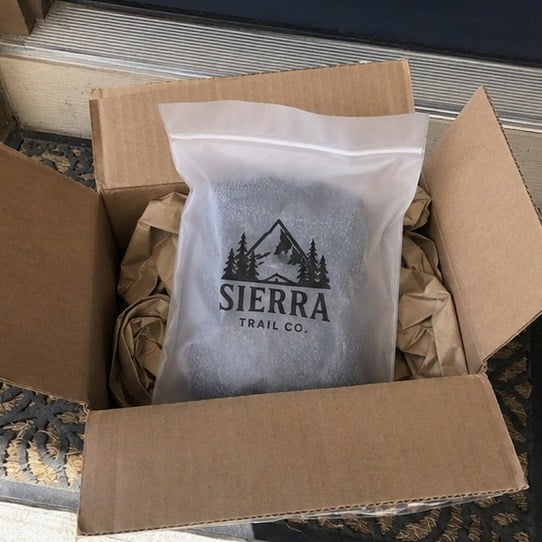
Does heat or sunlight damage printed ziplock bags?
Yes, heat and direct sunlight are the two conditions most worth avoiding for printed ziplock bags in storage. Sustained heat can soften film and make bags cling to each other inside a stack, and long exposure to strong sun can dull printed colors on the outer bags of a carton over time.
The risk is less about one warm afternoon and more about where cartons live week after week. A stockroom shelf under a skylight, the back seat of a car used for weekend markets, or a loft above a kitchen all expose the same cartons to the same stress again and again. The outer bags in a stack usually show it first, which is why a brand sometimes finds the top layer of a carton looks a touch different from the rest.
Customized Ziplock Bags prints your artwork to hold up through normal packing and customer use, so storage is the part you control. Keep cartons out of sun paths, away from heating vents and out of vehicles overnight. If you sell at outdoor events, bring only the bags you expect to fill that day in a closed tote, and leave the rest of the run at home on the shelf.
How do you keep ziplock zippers clean and working?
Keep ziplock zippers working by keeping debris out of the tracks: open cartons on a clean bench, handle bags by the edges, and close any bag you are not filling right away. Most zippers that feel stiff or refuse to lock on packing day have a grain of product, a fiber or dust caught in the profile, not a fault in the bag.
Powders, loose herbs, bath salts, coffee grounds and glitter are the usual culprits. When product lands on the zipper during filling, the tracks cannot interlock cleanly, and the customer feels a bag that will not close. A wide funnel or a scoop that clears the zipper line solves most of it.
- Wipe the packing surface before you open a new carton of custom ziplock bags.
- Pull bags from the carton by the top edge, not by squeezing the zipper.
- Fill below the zipper line with a funnel or scoop.
- Run a dry fingertip along the track before closing if anything spilled.
- Press the zipper closed from one end to the other, then check the seal by feel.
- Close and reseal the carton when you stop for the day.
A child-resistant zip bag deserves extra care here, because its closure is designed to resist casual opening and any trapped debris makes it harder for an adult to operate as intended.
How long can unused custom ziplock bags sit on the shelf?
Unused custom ziplock bags can wait on the shelf comfortably between packing runs as long as they are stored cool, dry, flat and closed, and you use older cartons before newer ones. Customized Ziplock Bags does not set a fixed shelf date for empty bags, and you should be wary of any supplier that quotes a precise lifespan without knowing your storage conditions.
What actually limits shelf life for most brands is not the film but the artwork. Ingredient lists change, a website address moves, a barcode is reassigned, or the brand refreshes its logo. Bags that are physically fine become unusable because the print is out of date. That is a planning issue rather than a materials issue, and it is the strongest argument for ordering in runs that match how fast you really sell.
Use a simple first in, first out habit. Write the delivery month on each carton, stack the newest cartons at the back, and always open the oldest one first. When you reorder, the standard turnaround of about 2 weeks after design approval means you rarely need to hold a huge reserve just in case. If you are unsure how much to keep on hand, the existing guide on how many custom ziplock bags to order covers that planning in detail.
What handling habits protect the print on branded bags?
The habits that protect the print on branded ziplock bags are clean dry hands, smooth work surfaces, no sharp tools near the film and no rubber bands or tape across the printed face. Ink on a well-made bag is durable, but sand, staples, box cutters and rough tabletops are harder than any ink.
Packing lines create a few repeat hazards. Bags slid across a gritty table pick up fine scratches. Box cutters used to open cartons can nick the top layer of bags. Rubber bands used to bundle bags for a market leave pressure lines on metallic film, and tape pulled off a printed panel can lift ink with it. Each of these is easy to design out of your routine.
- Open cartons along the edge seam, not through the middle of the top panel.
- Lay a clean cloth or kraft sheet on rough tables before fanning bags out.
- Bundle bags with a paper band rather than rubber bands or tape.
- Keep pens, scissors and price guns away from the printed face.
- Fill and stack finished bags so that printed faces do not grind against each other.
If you notice a pattern of marks on one style, tell the Customized Ziplock Bags team when you reorder. A different finish, such as frosted instead of glossy, may suit the way your product is handled.
How do customers care for a resealable bag at home?
Customers get the most out of a branded resealable bag when they keep the zipper clean, close it fully after each use and keep the bag away from heat. A short care line printed on the back panel encourages reuse, which keeps your logo in the kitchen drawer, toolbox or travel kit long after the original product is gone.
Reuse depends on the product and the material. A clear poly bag that held hardware parts can become a storage bag for screws. A kraft window zip pouch that held tea can hold the next refill. A stand-up zipper pouch with a solid zipper is often kept for snacks or pet treats. Care wording should stay honest: say what the bag is good for, and never imply a heat, freezer, microwave or dishwasher rating you have not confirmed for the specific material.
Customized Ziplock Bags can place a care line or a refill message anywhere in your print area and show it on the free mockup within 24 hours, so you can judge whether it reads well before approving. You remain responsible for any product or safety claims on the label.
When should you reorder instead of using old stock?
Reorder custom ziplock bags instead of using old stock when the printed information is out of date, when bags show visible damage from storage, or when a product change means the old size or style no longer fits. Using a bag with an incorrect ingredient list, old address or wrong barcode costs more in returns and trust than the bag itself.
Run a quick check whenever you open the last carton of a batch. Compare the printed copy against your current label, scan the barcode, test a few zippers and look at the outer bags in the stack for scuffs or curl. If everything passes, keep using them. If anything fails, set the remaining stock aside for internal use, such as organizing samples or parts, and request a new quote.
Reorders are simpler than first orders because your artwork already exists. Send the updated file through the quote form, review the new mockup, and approve when it is right. You pay nothing until you approve the design, revisions are unlimited and free, and faster turnaround is available with express shipping if the old stock ran out sooner than planned.
Frequently asked questions
Where should I store unused custom ziplock bags before packing day?
Unused custom ziplock bags belong on a dedicated shelf in a cool, dry, shaded room, flat in their original cartons and off the floor. Avoid spots beside heaters, sinks or exterior doors. Keeping cartons closed until packing day protects the zipper tracks from dust and keeps the printed film looking the way it did when it left production.
Can sunlight through a stockroom window fade printed ziplock bags?
Printed ziplock bags left in a direct sun path week after week can gradually dull, and the outer bags in an open stack usually show it first. Moving cartons out of the light is the easy fix. Customized Ziplock Bags prints artwork to handle normal use, but steady strong sunlight is a storage stress worth avoiding for any packaging.
Should custom ziplock bags stay in their shipping cartons until I use them?
Custom ziplock bags are best kept in their shipping cartons until you are ready to fill them. The carton blocks light, keeps dust off the zippers and stops the bags from being bent or scratched on a crowded shelf. Open one carton at a time, reseal it when you stop, and label each carton with its delivery month.
How do I keep the zipper tracks on custom ziplock bags clean during packing?
Zipper tracks on custom ziplock bags stay clean when you fill below the zipper line with a funnel or scoop and handle bags by their edges. Powders, salts, herbs and grounds are the usual reason a zipper will not lock. Wipe any spill off the track with a dry fingertip before pressing the bag closed from end to end.
Can I stack heavy boxes on top of cartons of custom ziplock bags?
Cartons of custom ziplock bags should carry only light loads on top. Heavy boxes can crush gussets on stand-up pouches, press creases into mylar foil film and leave lasting curl in kraft pouches. Store bag cartons on an upper shelf or at the top of a stack, and keep finished product cartons on the lower, sturdier levels.
Do stand-up zipper pouches need to be stored flat or upright?
Stand-up zipper pouches should be stored flat, the way they were packed at production, rather than squeezed upright into a bin. Flat storage keeps the bottom gusset crisp so each pouch opens and stands properly once filled. Customized Ziplock Bags ships pouches packed flat, so leaving them in the carton is usually the simplest approach.
How should a brand rotate older and newer batches of custom ziplock bags?
Rotating custom ziplock bags works best with a simple first in, first out habit. Write the delivery month on every carton, place new deliveries behind older ones and always open the oldest carton first. Rotation keeps stock fresh and means any artwork update reaches customers quickly, instead of waiting behind a pile of outdated bags.
Can custom ziplock bags be kept in a garage or shed between markets?
Custom ziplock bags are better kept indoors than in a garage or shed, where temperature swings, damp air and dust are common. Kraft window pouches are especially sensitive to humidity. For market sellers, Customized Ziplock Bags suggests storing the main run inside the home and bringing only the day's bags to each event in a closed tote.
Do mylar foil zip bags crease or show scuffs if handled roughly?
Mylar foil zip bags have a reflective surface that shows creases and scratches more readily than poly or frosted film. Dropped cartons, rubber bands and gritty tables are the main causes. Store mylar foil zip bags flat, open cartons along the edge seam and lay a clean sheet over rough work surfaces before fanning the bags out for filling.
How should food brands keep empty custom ziplock bags clean before filling?
Food brands should keep empty custom ziplock bags sealed in their cartons, in a clean, dry storage area separate from chemicals, cleaning supplies and raw ingredients. Open cartons only at a sanitized packing station and handle bags with clean hands or gloves. Your own food-safety plan sets the rules, and Customized Ziplock Bags can discuss food-contact suitability when you request a quote.
What should I do with leftover custom ziplock bags after a design change?
Leftover custom ziplock bags with outdated artwork can move to internal uses such as organizing samples, spare parts or event supplies, as long as they never go out with products that the old copy misdescribes. Plan future runs around how fast you really sell, so fewer bags are stranded the next time your label or logo changes.
How can customers get more uses out of a branded ziplock bag at home?
Branded ziplock bags last longest at home when customers keep the zipper free of crumbs, close it fully after each use and keep the bag away from heat. A short care or refill line on the back panel encourages reuse. Customized Ziplock Bags shows that line on your free mockup within 24 hours so you can check readability.
Get a free mockup for your ziplock bags
Send your logo or idea and the quantity you have in mind. Customized Ziplock Bags returns a free mockup within 24 hours, you approve the design before anything is produced, and standard turnaround is about two weeks with faster options available. Get a custom quote.